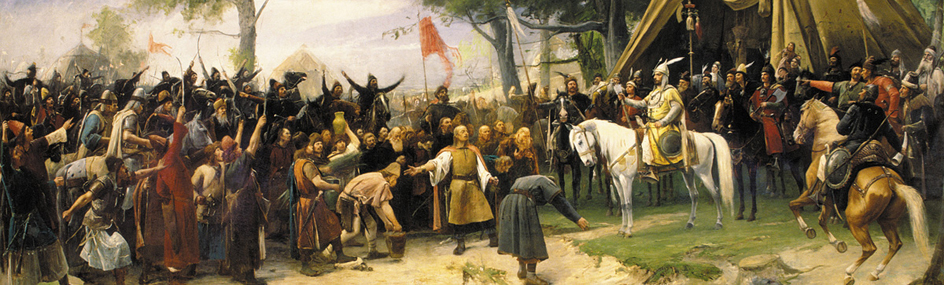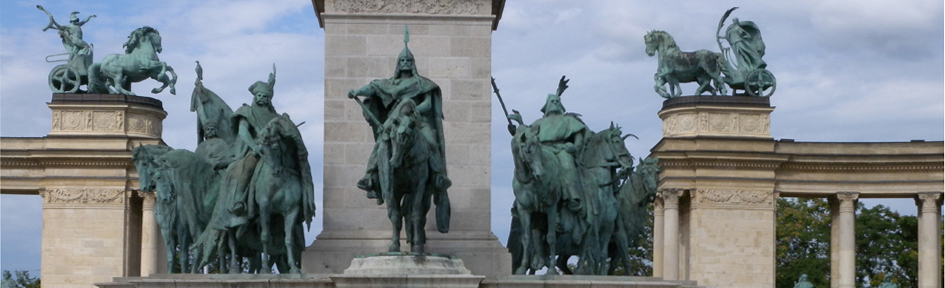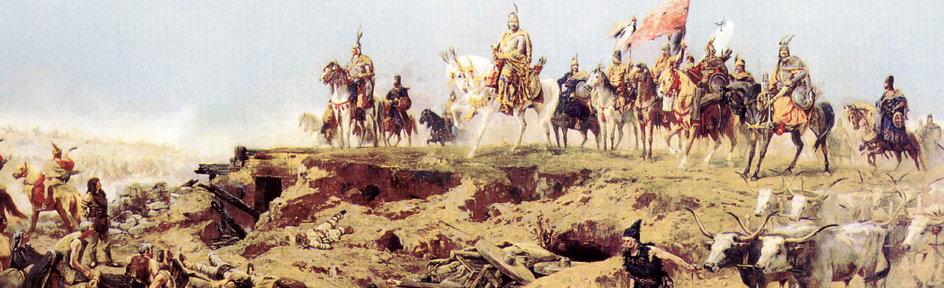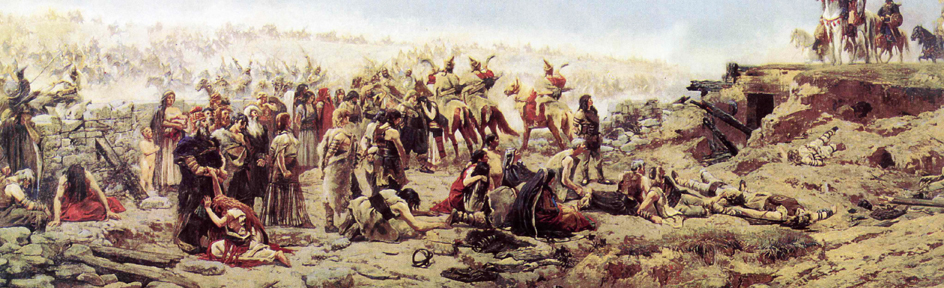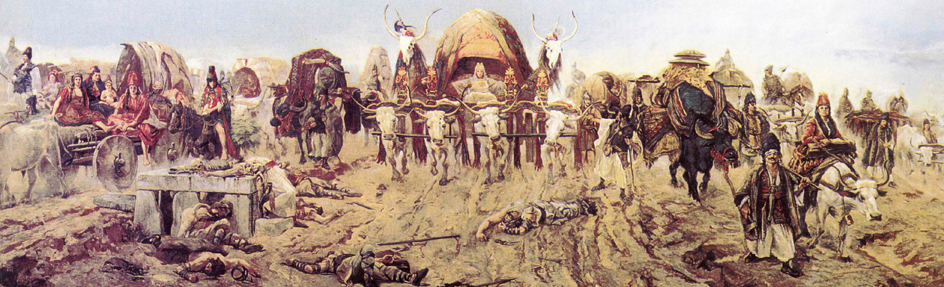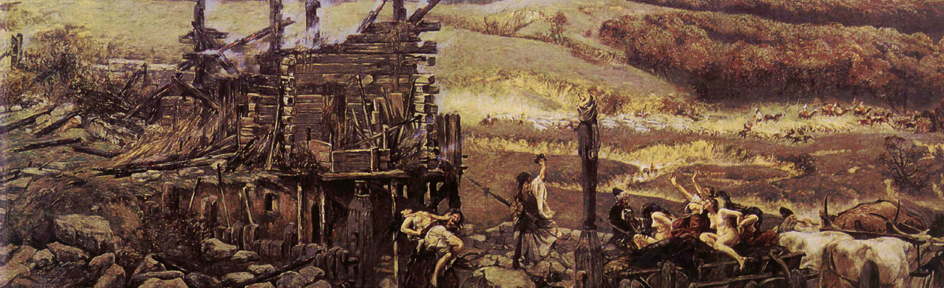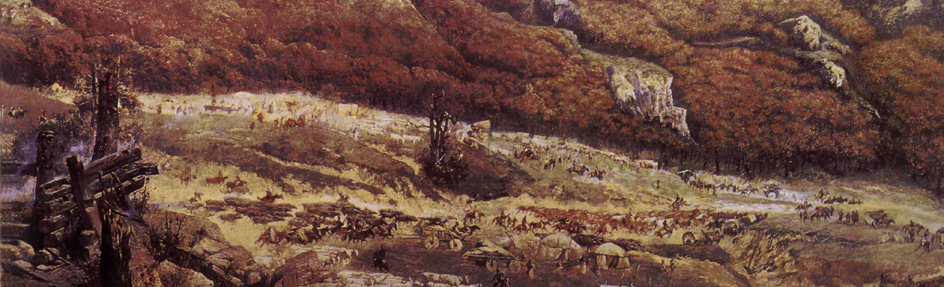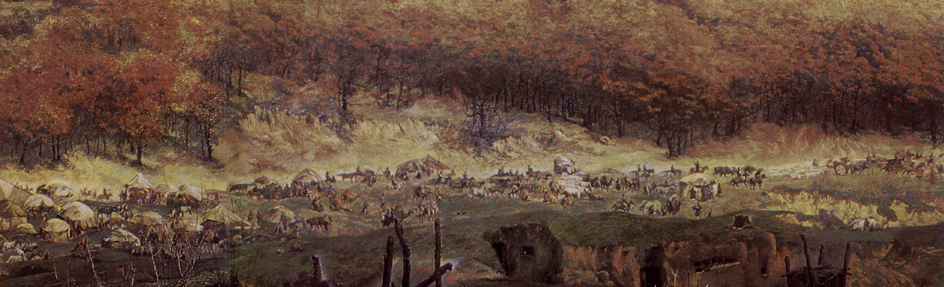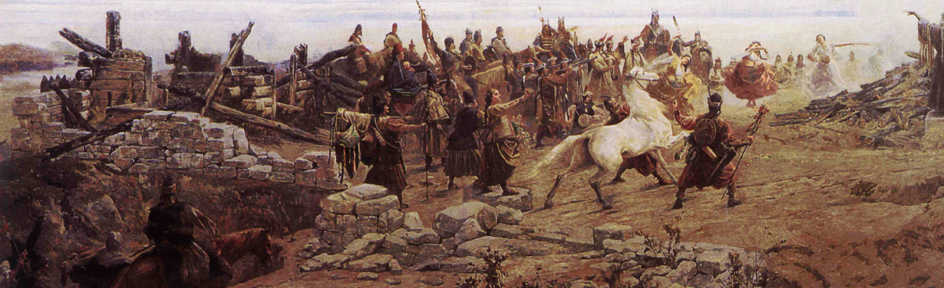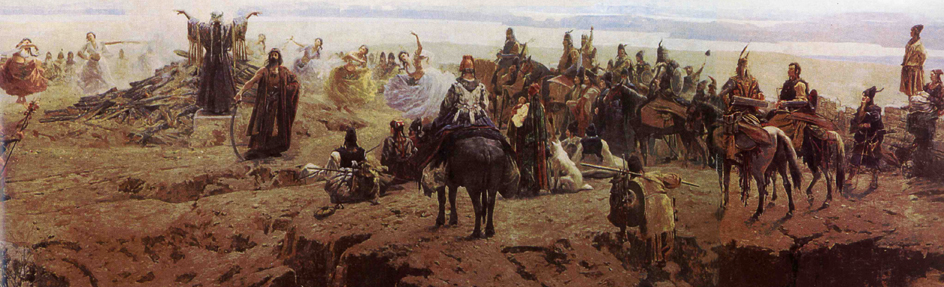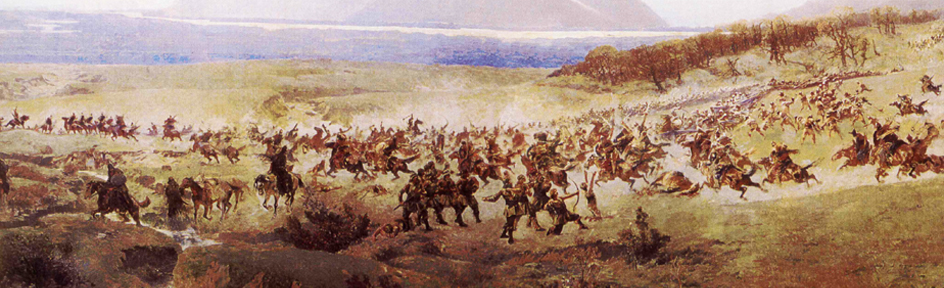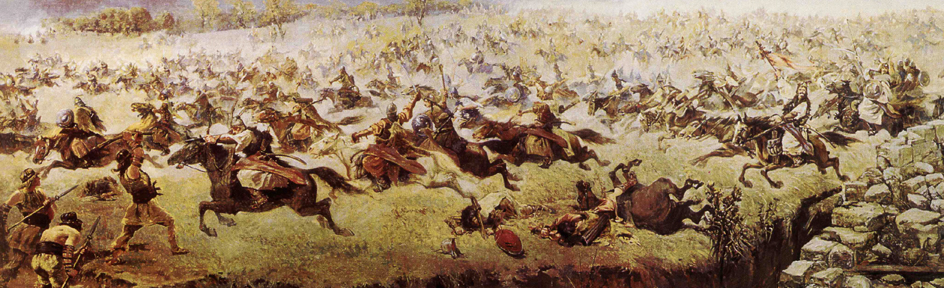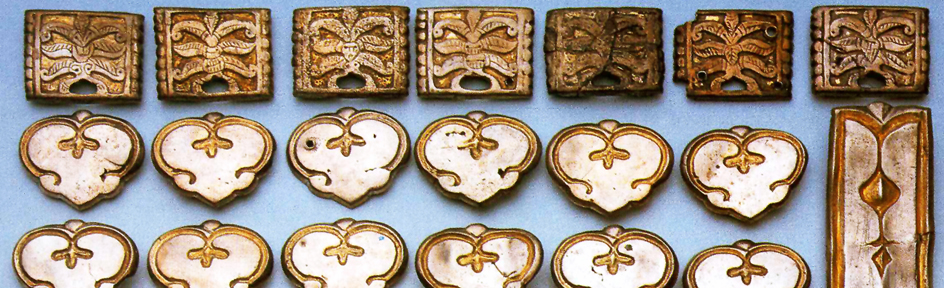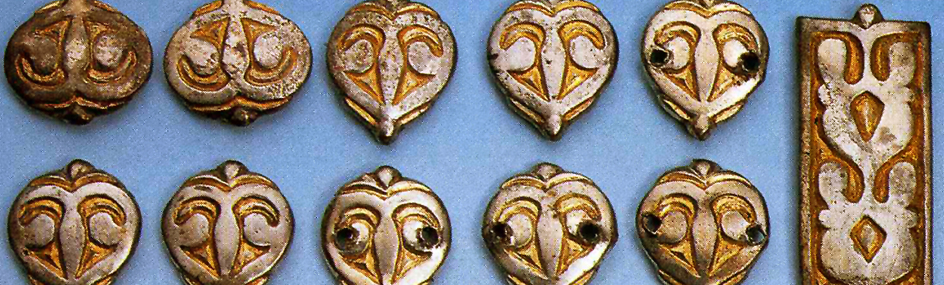


Anthony Endrey (Excerpts) After crossing the Carpathians with the main Hungarian army, Árpád descended into the plains along the right bank of the Tisza River. Here he joined up with the Hungarian expeditionary force which had remained in the area and then turned to the south. The region they traversed, the north-eastern portion of the present Great Hungarian Plain, was largely inhabited by scattered remnants of Avars and ethnic Hungarians
Hungarian History
January 29, 2012
ÁLMOS AND ÁRPÁD
Anthony Endrey (Excerpts) Under these circumstances, the first and foremost task for the Magyars was to achieve complete national unity. Realizing this, the leaders of the seven Hungarian tribes came together to elect a supreme ruler with full authority over all the people. The Hungarians elected Álmos, the “gyula”, who traced his descent from Atilla, king of the Huns, and, as the early Hungarian chronicles of the Christian
January 29, 2012
FROM THE CAUCASUS TO THE CARPATHIAN BASIN
Anthony Endrey (Excerpts) The Byzantine writer Priscus Rhetor reports that in 463 the Saragurs, Ugors and Onogurs were looking for a new country… Since we know that the Sabirs occupied the eastern Caucasus and the area around the Caspian Sea about that time and that the Akatsirs were living in the vicinity of the Sea of Azov, we can fix the location of the Saragurs, Ugors and Onogurs at
January 29, 2012
THE ORIGIN OF THE NAMES UGOR AND MAGOR
Anthony Endrey The Hungarians lived together with the Hurrians for a long period of time. As a result they almost certainly adopted the name of the latter, KHOR or KHUR in the Hurrian language, at a fairly early stage and continued to use it after the collapse of Hurrian power in the Near East. In time, the initial “kh” was transformed into a softer “g”, resulting in GOR or GUR.
January 29, 2012
FROM MESOPOTAMIA TO THE CAUCASUS
Anthony Endrey (Excerpts) The ancestors of the Hungarians were a Turanian people who probably lived in the area between the Tigris River and the Zagros mountains, known as Subartu in ancient times, during the fourth and third millennia BC. Their settlements may also have extended to the mountainous region of Upper Mesopotamia during this period. The Hungarian language is a distant relative of the Finno-Ugrian and Turkic languages but not
January 29, 2012
Hungarian Historical Chronology
(begins with Nimrod at the Sumer Empire) GENESIS 10, 8-13: Cush was the father of Nimrod, who began to show himself a man of might on earth; and he was a mighty hunter before the Lord, as the saying goes, ‘Like Nimrod, a mighty hunter before the Lord’. His kingdom in the beginning consisted of Babel, Erech, and Accad, all of them in the land of Shinar*. From